Sports Community
We have all heard it before: exercise is important. It helps with mood, stress, and mental health. This message is repeated by morning TV experts, health professionals, and people who manage to work out regularly themselves. And they are right.
Our purpose
But if exercise is so important — why is it so difficult for so many people to show up at gyms, sports clubs, and associations?
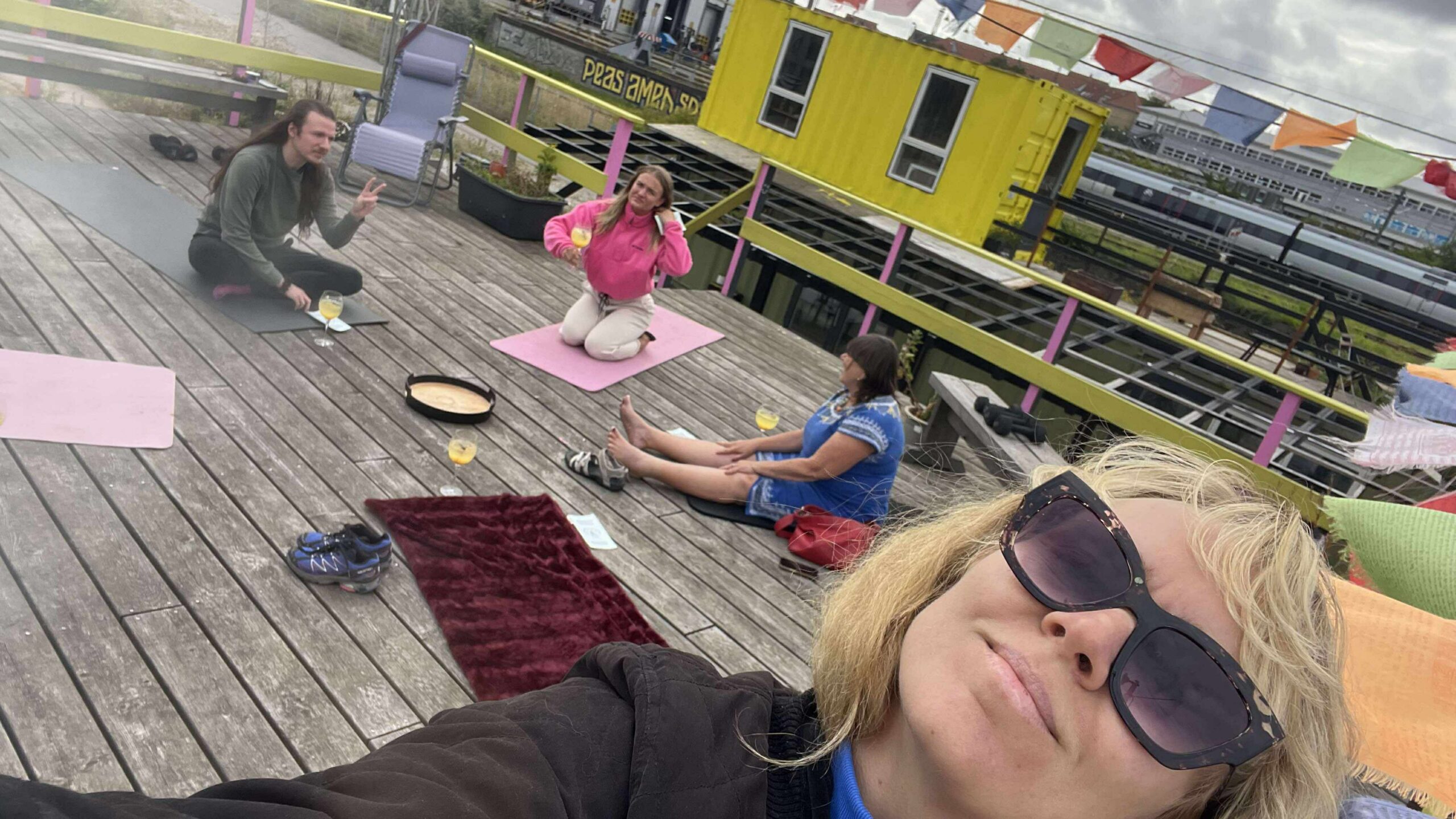
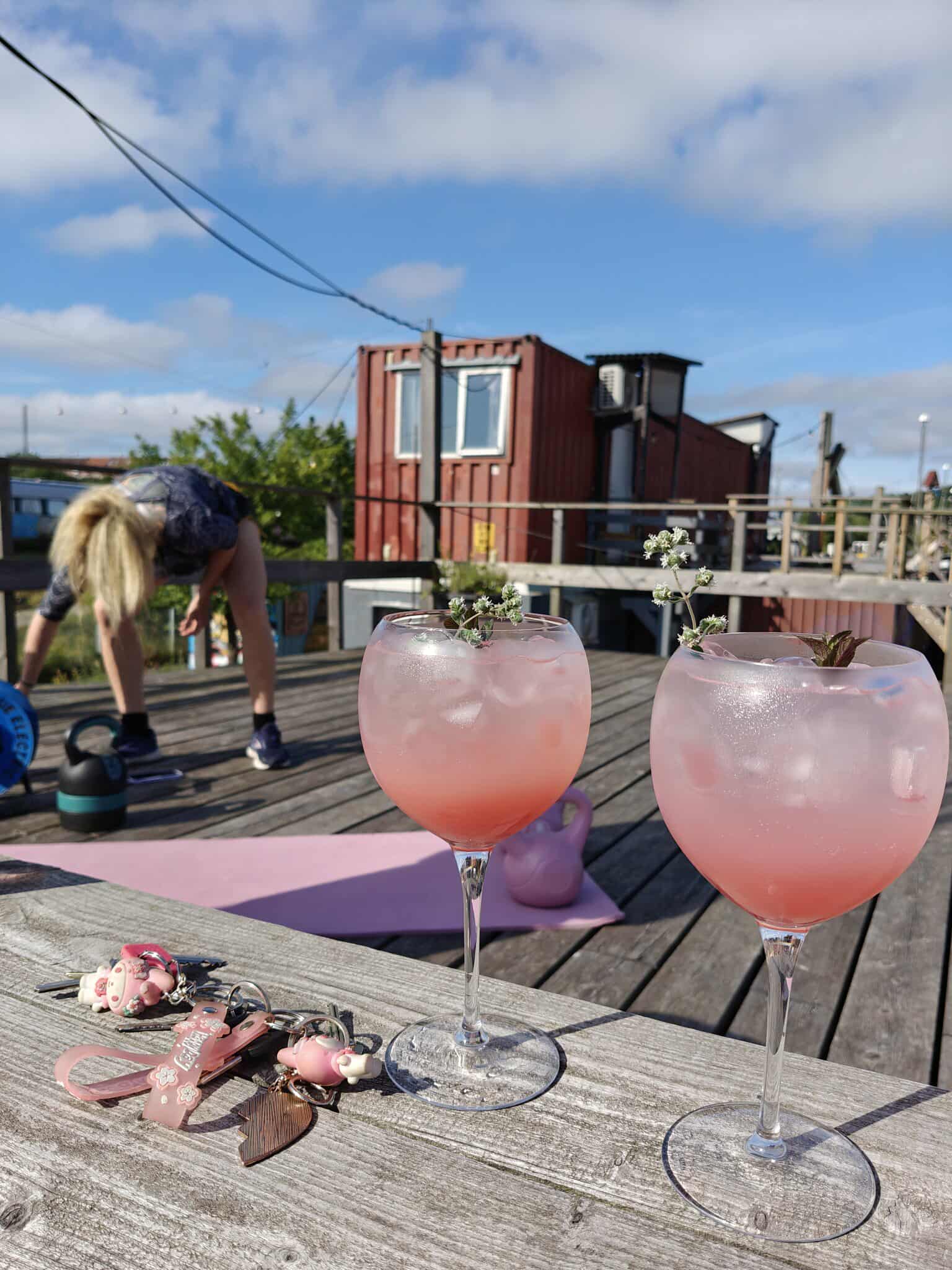
That question was explored in 2024 by Lea The Pirate and researcher Charlotte Løvstad in the pilot project Sport and Neurodiversity – A Deeper Understanding. Twice a week, people with one or more diagnoses from Kofoeds Skole took part in outdoor circuit training at Institut for X. After each training session, Charlotte asked questions about the structure, atmosphere, and sense of community.
The analysis showed that the challenge rarely comes down to a lack of motivation or willpower. It is about the setting — and about the fear of once again not fitting in. Many participants had previous experiences of feeling “wrong” in sports communities: high performance demands, unclear social codes, and a constant sense of having to pull themselves together.
Within the neurodivergent community, training successfully became a regular, twice-weekly activity. Not because everyone trained intensely — but because you did not have to train in order to be welcome. What mattered was showing up, being met with warmth, and knowing that someone was waiting. For many participants, simply showing up had previously been the hardest part.
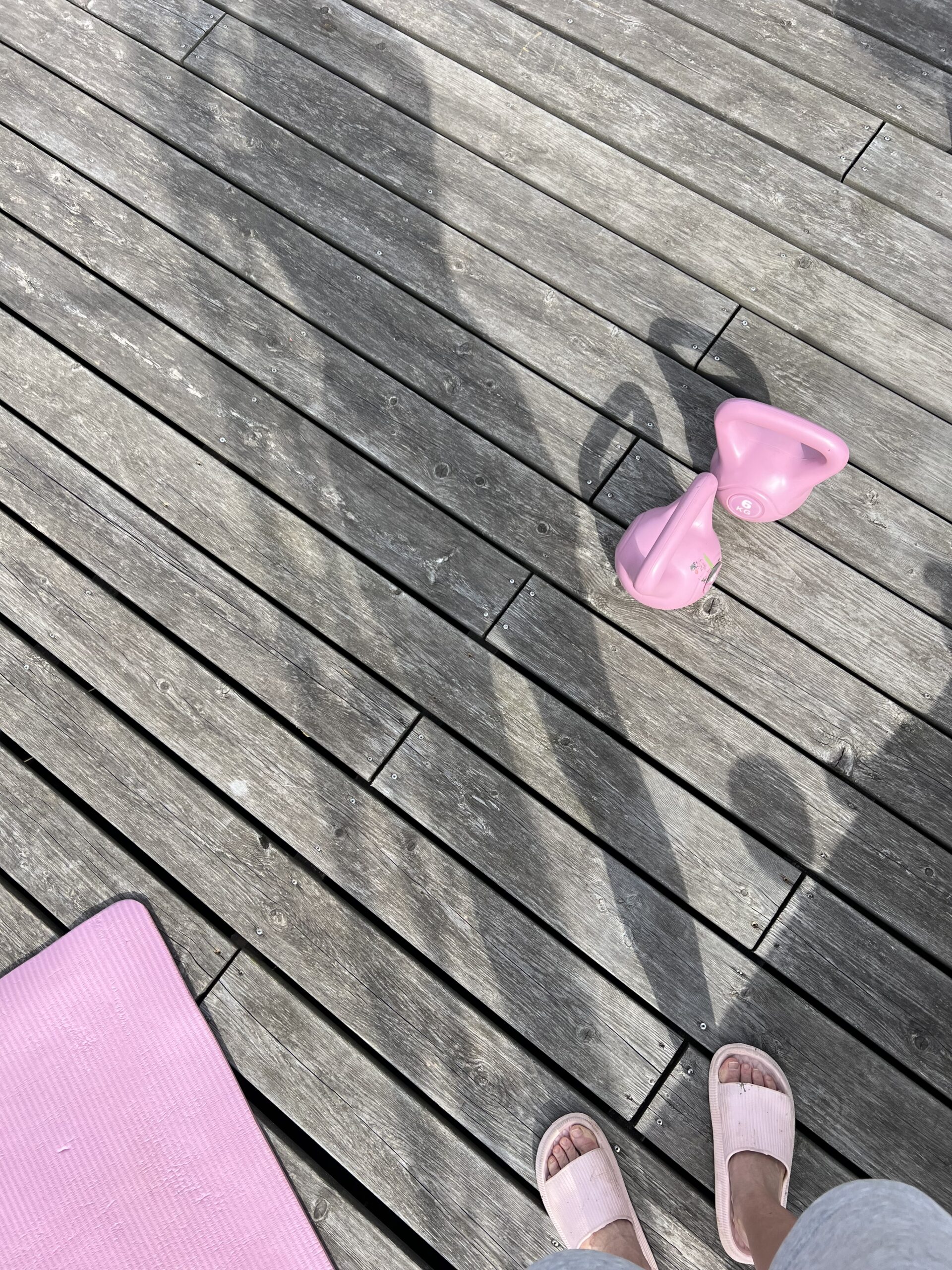
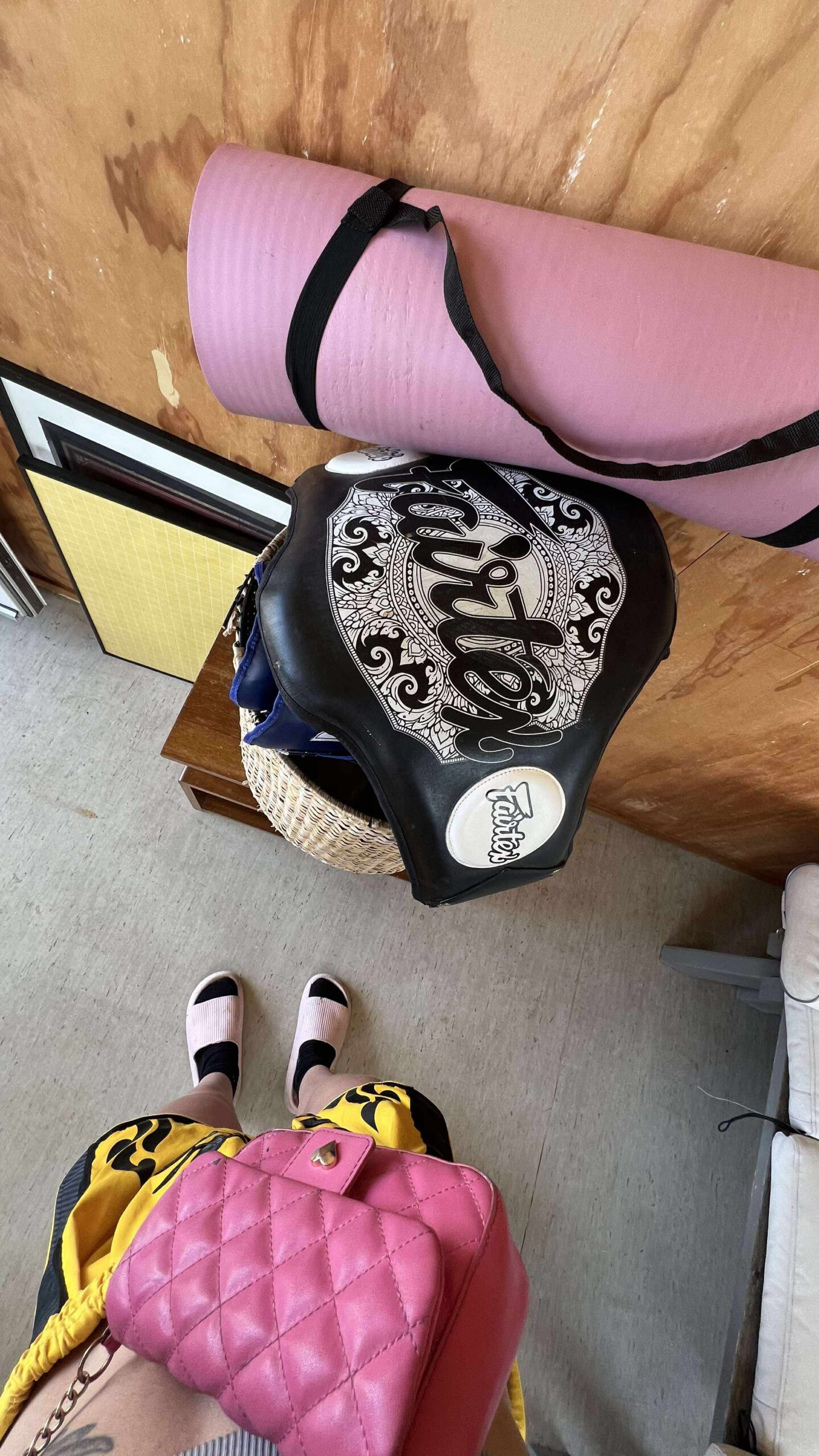
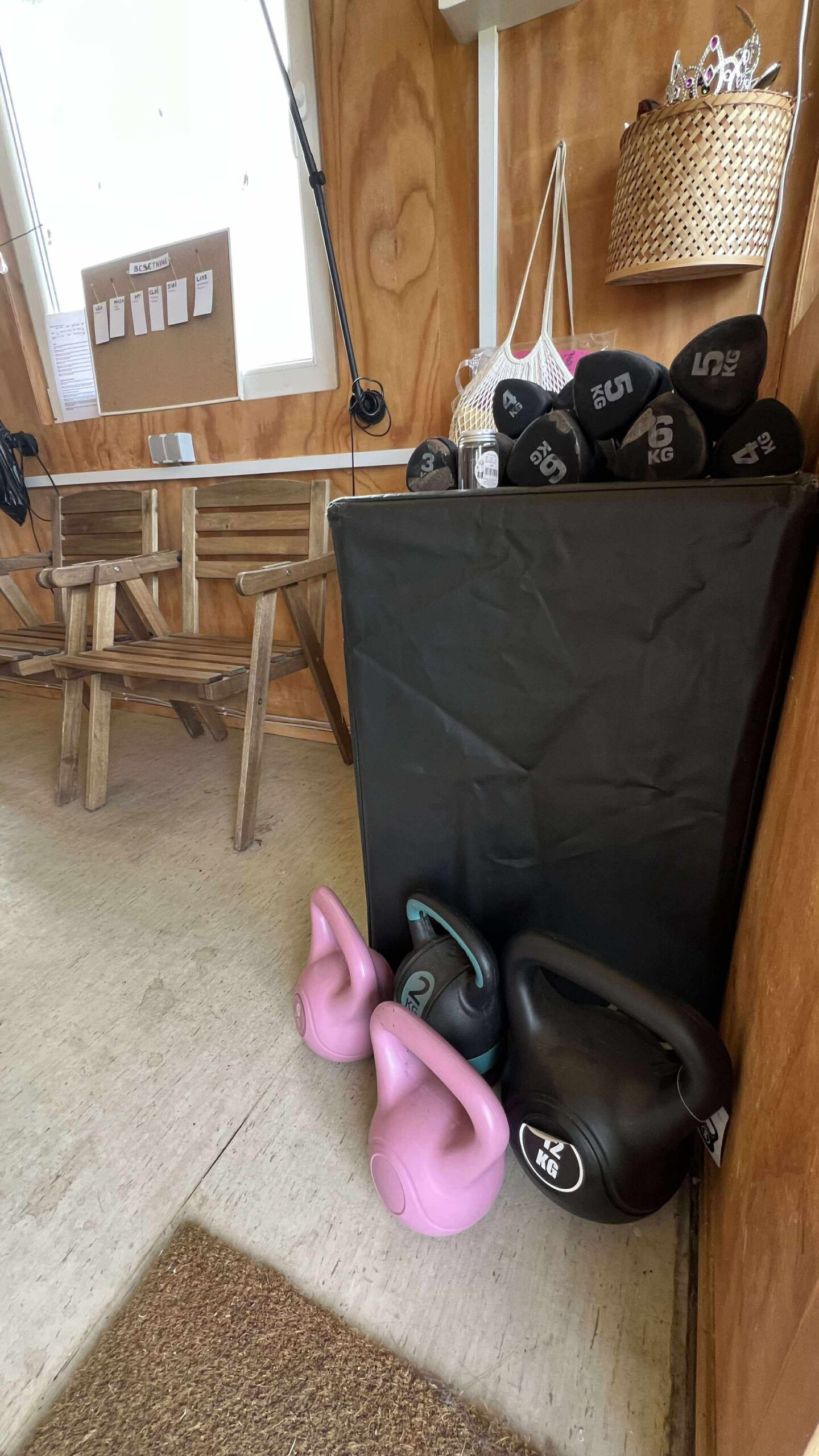
Based on these experiences, we dream of establishing The Movement Room “Pausen” on the first floor of SpaceShip 1. A space for regulation and healing, where the focus is on returning to the body through muay thai, strength training, dance, meditation, and yoga. Pausen is for Pirates — because safety and recognizability are essential for participating in a training community.
At the same time, Pausen is an experimental space. A place where we explore how movement can be made accessible for neurodivergent people — and how these experiences can offer sports organizations new tools for inclusion, participation, and well-being.